
Sustainability at Sobha: Green Building Practices in the 48-Acre Layout
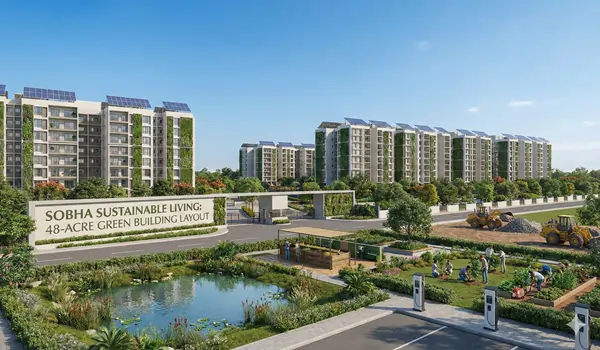
Development today often reduces green cover and puts pressure on natural resources in today's fast-growing cities. Many large projects focus only on height and density. But true progress should also protect the environment. That is where sustainability becomes important.
Sobha World City in Hoskote is planned with this long-term vision. Spread across 48 acres, the township keeps nearly 80% of the land open and green. This large open space is not just for beauty. It helps improve air quality, reduce heat, and create a healthier environment for families.
The project follows strong green building practices. Rainwater harvesting systems help recharge groundwater. Organic waste is treated within the campus to reduce landfill burden. Treated water is reused for landscaping. Energy-efficient lighting is used in common areas to lower electricity consumption. These steps work together to create a self-sustaining ecosystem inside the township.
Even with tall G+54 towers, the design respects nature. Vertical growth is balanced with wide green zones and thoughtful planning. Residents enjoy modern comforts while living in a space that supports environmental responsibility.
In simple words, sustainability here is not an afterthought. It is part of the master plan from the beginning. The 48-acre Layout shows that luxury living and green practices can coexist in a smart, responsible way.
80% Open Green Space: The Luxury of Clean Air
One of the strongest features of the 48-acre master plan is the decision to limit the building footprint. Instead of covering the land with concrete, the project uses vertical design. The 18 high-rise towers rise upward. This frees up most of the ground for greenery.
Key highlights of the open space design:
- Around 65-80% of the total land is kept open and green
- Native trees and plants are used for landscaping
- Themed gardens and landscaped parks are spread across the township
- Jogging tracks and cycling paths are integrated into the Layout
This large green cover acts as a natural "lung" for the township. Trees and plants help reduce heat and improve air quality. The design also helps reduce the Urban Heat Island effect. The internal environment can feel 2–3°C cooler than the surrounding built-up areas.
From the G+54 towers, residents look down at green landscapes instead of concrete blocks. This creates a resort-like experience every day.
Smart Water Management: Every Drop Matters
Water security is a major concern in Bangalore. Sobha World City addresses this with a complete water management system built into the 48-acre Layout.
The township uses advanced rainwater harvesting systems. These are not small add-ons. They are part of the main infrastructure.
The water strategy includes:
- Surface runoff collection: Internal roads and landscaped areas are designed with proper slopes. Rainwater flows into recharge wells. This helps refill the groundwater table.
- Rooftop harvesting: The 18 towers' rooftops serve as rainwater collection areas. The water is filtered and stored in underground tanks.
- In-house Sewage Treatment Plant (STP): Wastewater is treated within the township.
This creates a circular water system. The township reduces its dependence on water tankers and external supply. It also supports long-term sustainability for the Hoskote region.
Organic Waste Management: A Zero-Waste Approach
A large township with over 5,400 units can generate a lot of waste. Sobha World City has planned for this in advance.
The township includes:
- Dedicated Organic Waste Converters (OWC)
- Waste segregation at the source
Residents are encouraged to separate waste at home. The organic waste is then processed within the township. It is converted into compost.
This compost is used in the gardens and parks across the 65 - 80% open space. This creates a closed-loop system. Waste from homes becomes nutrition for plants.
This system reduces pressure on city landfills. It also builds a culture of responsibility among residents.
Wellness and Mental Health Benefits
Green living is not just about the environment. It also improves physical and mental health.
The 48-acre Layout includes:
- Jogging tracks
- Cycling paths
- Landscaped gardens
- Zen and relaxation zones
Living close to green spaces has proven benefits. It can lower stress levels. It can improve sleep quality. It can encourage daily outdoor activity.
The G+54 towers are positioned to ensure a visual connection to greenery. Most homes overlook landscaped gardens or open horizons.
It supports biophilic living, where people stay connected to nature even in a high-rise setting.
In today's fast urban life, this kind of calm environment is a major advantage.
Energy Efficiency and Quality Standards
Strong construction standards support sustainability at Sobha World City. Sobha Limited follows a backward integration model. Many building materials are manufactured in-house. This allows better quality control and eco-friendly practices.
Some important sustainability features include:
- Solar-powered LED lighting in common areas and internal roads
- Energy-efficient lighting systems
- High-performance building materials that improve thermal insulation
- Reduced the need for excessive air conditioning
Durability is another important factor. Sobha's "Zero Deviation" quality approach makes sure that structures are built to last for generations. Long-lasting buildings reduce the need for frequent repairs or rebuilding. This lowers long-term environmental impact.
A Self-Sustained World of Sustainable Luxury
Sustainability at Sobha is not just about adding green features. It is about building a self-sustained ecosystem.
The 48-acre Layout combines:
- 65-80% open green space
- Rainwater harvesting systems
- Sewage treatment and water reuse
- Organic waste conversion
- Energy-efficient lighting and materials
Residents are not just buying an apartment. They are investing in a lifestyle that respects nature.
Sobha World City offers the height and comfort of G+54 towers along with the calm of a large green landscape. It proves that luxury and sustainability can exist together.
For eco-conscious families in East Bangalore, this township offers a rare opportunity. It is a place where you can live, work, shop, and breathe in a cleaner, greener environment.
Moving Forward
Sustainability at Sobha World City is not just a feature. It is the foundation of the entire 48-acre master plan. The project shows that modern high-rise living and environmental responsibility can go hand in hand.
With 65-80% open green space, smart rainwater harvesting, in-house sewage treatment, and organic waste management, the township is designed to reduce waste and save natural resources. The use of solar lighting, energy-efficient materials, and strong construction standards adds another layer of long-term value.
This approach benefits both residents and the environment. Families enjoy cleaner air, cooler surroundings, and access to large landscaped spaces. At the same time, the township reduces pressure on the city water supply, landfills, and energy use.
In simple terms, Sobha World City offers more than just homes in tall towers. It offers a balanced lifestyle. Residents can enjoy comfort and luxury while living in a space that respects nature. In a fast-growing region like East Bengaluru, this kind of sustainable planning makes a real difference for the future.

 24/7 Support
 Free Site Visit
 Unmatched Price